

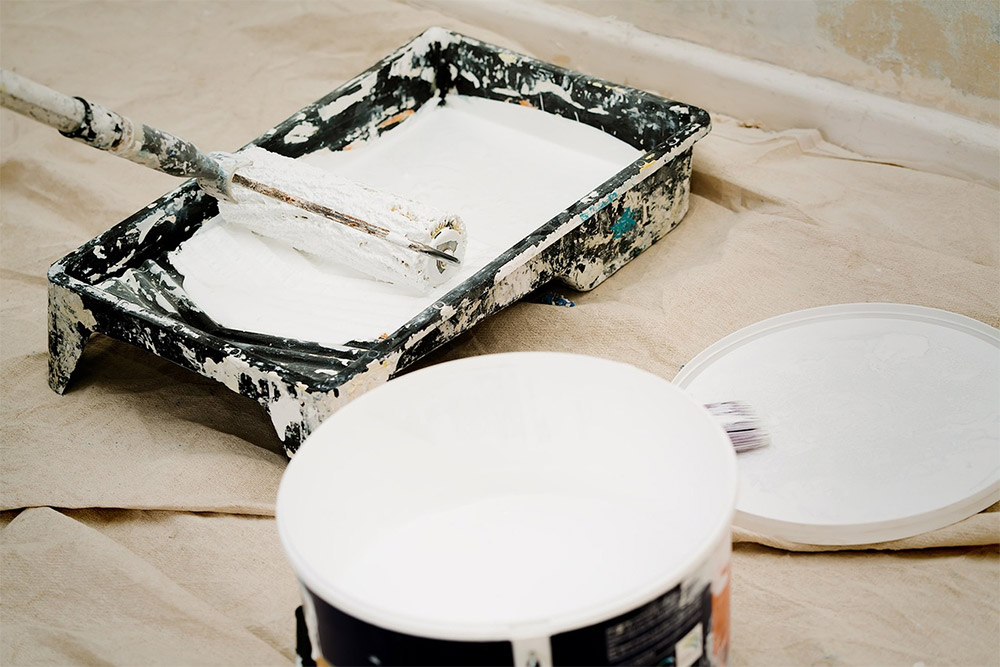
Your home gets lived in, and sometimes it can look a little worn out. While the paint on our walls might get taken for granted, it needs touchups and a fresh coat every once in a while to keep your space looking like home. Repainting your home’s interior can be a project that transforms and rejuvenates your living space – while also reflecting your evolving sense of style. Different homes need to be repainted at different intervals, because we all live differently within our homes.
The question of how often to repaint your home interior can depend on a number of factors – including wear and tear, the type of room and how it gets used, and even personal preferences can dictate a change. There are a lot of considerations to make before starting any painting project, and talking to your trusted interior painters in Denver can help answer a lot of questions, but here’s a deeper look on when it’s time to refresh the inside of your home.
Repainting Guidelines
Repainting your home doesn’t have to be done every single year, but the timetable for when it is time for a fresh coat will sneak up on you. Most experts suggest repainting your home’s interior every 5-10 years. However, this range can vary greatly depending on how much a particular room gets used, the type of quality paint that was used in the first place, and other factors. High traffic areas – like hallways and kitchens – are commonly the rooms that require more frequent touchups or complete repainting. On the other hand, rooms like your guestrooms or other places that are used less probably won’t need a repaint as often.
Make sure to consider all of the factors of the room when you’re considering a repainting job. Don’t use too many different colors, as that can often end up looking too cluttered. Keep things simple and stick to your plan without going too far outside of your scope or color palette. There are plenty of tools to help you pick the right paint colors – and types of paint – needed for particular rooms of your home. Talk to an interior painting expert in Denver to find out more. Another commonly overlooked area is the ceiling. Don’t forget to repaint the ceiling, as it can be subject to things like smoke or moisture. Ceilings should be repainted about every 10 years or if discoloration starts to become noticeable.
Breaking Down the Rooms
Different rooms have different timelines for repainting, mainly due to the amount of use a particular room gets. Living and dining rooms often serve as spaces for relaxation and entertaining, but they may not experience the same wear and tear as other areas. Aim to repaint these rooms every 5-7 years. Adult bedrooms are on about the same timeline of repainting about every 5-7 years, as they don’t see much traffic either. However, children’s bedrooms are subject to more activity – including everything from crayon marks to sticky hands. These should be repainted every 3-5 years, depending on how much use the room gets.
The highest traffic areas in your home are kitchens, bathrooms, hallways, and corridors. You demand more out of your kitchen than probably any other room in the house. The kitchen is subject to heat, moisture, and just frequent use. Bathrooms can also be subject to moisture. Repainting kitchens and bathrooms every 3-4 years is recommended to keep up appearance and protect the walls. Hallways are the same, and are subject to scuffs, fingerprints, and other markings. These areas typically need to be repainted every 2-3 years. Use paint designed for high-moisture environments in the kitchen and bath; and select washable, durable paint for your hallways and corridors.
Other Considerations when Repainting
While the timelines listed above are pretty common throughout the industry, there are other things that might allow you to repaint a particular room less often. There are also factors that could mean you need a fresh coat of paint more frequently. One of the biggest factors is the quality of the paint. Investing in high-quality paint can significantly extend the lifespan of your walls. Premium paints offer better coverage, are more resistant to daily wear and tear, and come with longer warranties. For areas that experience heavy traffic, opting for washable or paint that can be scrubbed may be very beneficial.
The types of paint finish can also have an impact on durability. Matte or flat finishes are best for low traffic areas. These finishes look great, but are more prone to showing marks and stains. Semi-gloss or gloss is highly durable and is recommended for high-traffic or high-moisture areas like kitchens or bathrooms. Eggshell or satin finishes offer a balance between those two, offering durability and aesthetic appeal that is a great option for areas with moderate traffic.
Your household also is a consideration. Those with children, pets, or frequent gatherings may experience more wear and tear – which means you’ll be repainting more frequently. People that enjoy changing their décor more often might want to repaint more frequently, as well. Environmental factors – like exposure to sunlight and humidity – can also impact the longevity of your interior paint. Rooms that have more direct sunlight, for example, experience faster fading and require repainting sooner. It’s generally recommended to opt for high-quality paint and neutral tones. This will extend the lifespan of your paint job and keep the space versatile.
Signs it is Time to Repaint
All of those timelines are simply a guide to figuring out when a repaint may be necessary. It really depends on the wear and tear that goes on inside your home, and what you want to do with each particular room. Even if you’re within the general timeline for repainting your interior, there are other certain signs that may indicate it is time for a refresh. One obvious indicator is any visible damage on the walls. Cracks, peeling, or bubbling paint are clear indicators that your walls need attention. These may also be an indication that your next repaint should involve some paint with extra durability.
Fading colors are also a signal it’s time for a repaint. Sunlight exposure can cause paint colors to fade over time, making your room appear dull. Older paint can sometimes emit odors, particularly in rooms that have poor ventilation or have exposure to heat and moisture. Paint can also get stained. If stains or marks on your walls cannot be removed through cleaning, it may be time to look at a fresh coat. As time passes, trends and tastes change. If your personal preferences shift, it may inspire you to update your color palette by repainting your interior.
Tips for Extending the Life of Your Paint Job
Nobody wants to repaint their interior more often than they have to. One of the easiest ways to extend the life of your interior paint job is with regular cleaning. Dusting and cleaning your walls regularly can help prevent the buildup of dirt and grime, especially in high-traffic areas. A soft cloth or sponge combined with a mild cleaning solution should get your walls clean without damaging the paint. Fixing cracks, holes, or other damage as soon as they appear can prevent the problem from getting worse and keep your walls in good condition.
For minor scuffs and marks, touch-up paint can be a quick, effective, and budget-friendly solution. Keep extra pint around from your initial repainting project for this purpose. It’ll help your paint job last longer and save you money in the long run. It’s also important to choose the right paint. Earlier we talked about selecting high-quality paint and the appropriate finish for each room. This can significantly impact the longevity of your paint job. Consider talking with a professional to determine the best options for your home.
Cost of Repainting
Repainting your home’s interior is an investment, but the costs can vary widely based on factors such as the size of your rooms, paint quality, and whether you hire a professional or decide to roll up your sleeves and take a do-it-yourself approach. DIY projects are typically less expensive, but it’s important to factor in the time of the project, as well. Professional services might be more expensive, but typically deliver a more polished result – especially for large-scale or more complex jobs.
Final Thoughts
Repainting your home’s interior is about more than just aesthetics. It’s also a vital part of the maintenance of your home. By considering all of the factors from room type to paint quality to what you want from your space, you can determine an optimal timeline for repainting each area of your home. Regular care and attention to your walls can extend the life of your paint job – keeping your home inviting and well-maintained for years to come.
For more information on the ins and outs of painting the interior of your home, reach out to the experts at Prominent Painters today.