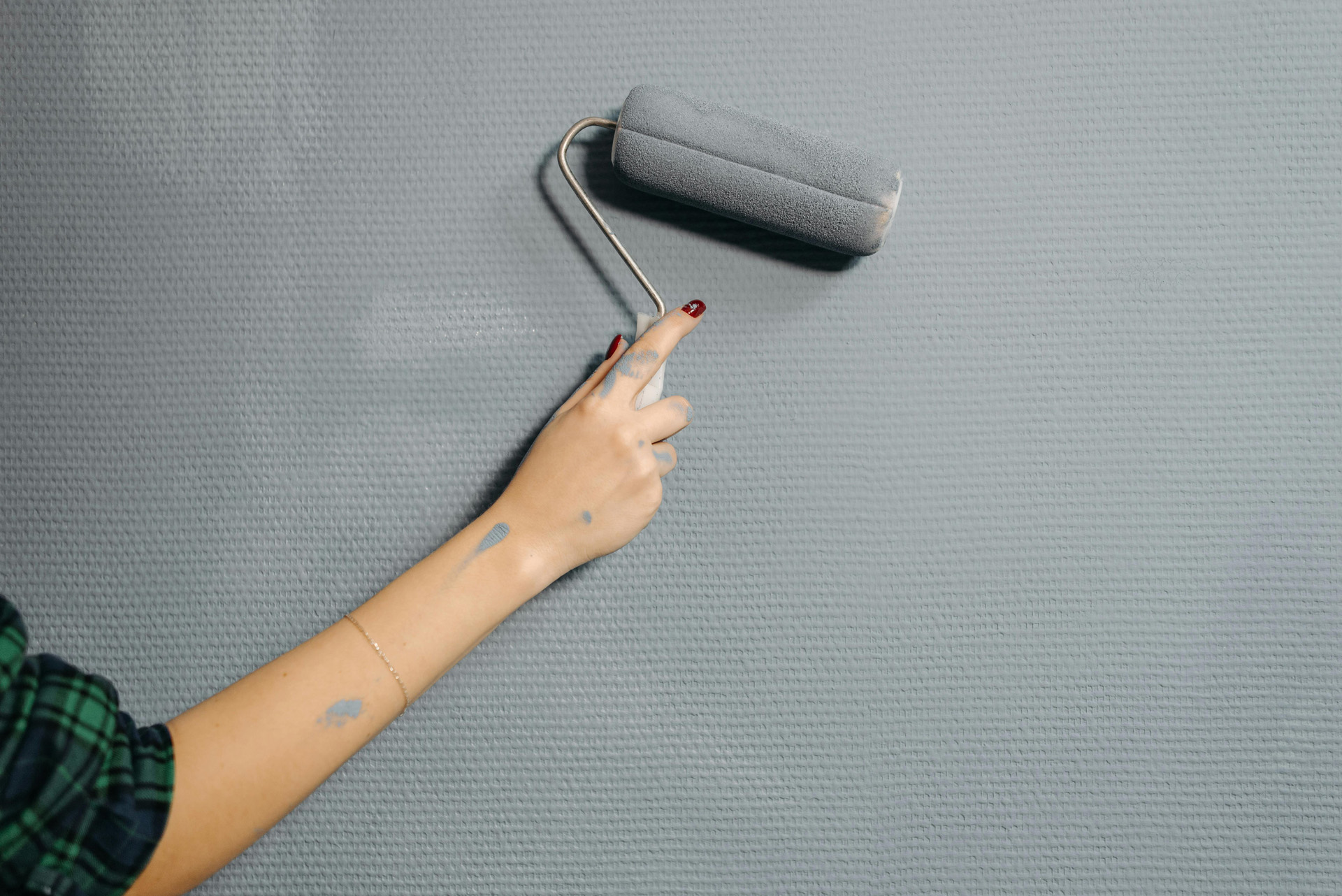
Can I Paint Over Wallpaper, Or Should It Be Removed First?
Wallpaper can bring personality and texture to a room, but it can also feel dated over time. When you’re ready for a fresh look, a common question homeowners face is whether they can paint over wallpaper or if it should be removed first.
The answer depends on several factors, including the condition of the wallpaper, your budget, and the desired results. Here’s what you need to know before making this decision…
Why Painting Over Wallpaper is a Common Option
Painting over wallpaper can be tempting because it saves time and the mess associated with removal. Here are some reasons why homeowners consider this approach:
- Less Labor-Intensive: Removing wallpaper can be a challenging task, especially if it’s been adhered tightly to the wall. Painting over it may save hours of work.
- Preserves Wall Integrity: Removing wallpaper can damage drywall or plaster, which may require additional repair before painting. By leaving the wallpaper intact, you can avoid these issues.
- Cost-Effective: Painting over wallpaper can often be more budget-friendly than the combined cost of removal and wall preparation.
While painting over wallpaper is certainly possible in many cases, it’s not always ideal. There are several factors to consider before deciding if it’s the right approach for your residential painting project.
When Painting Over Wallpaper Works
In some cases, painting over wallpaper can produce good results. Here’s when it might be a viable option:
1. Wallpaper is Firmly Attached
If the wallpaper is well-adhered to the wall, with no signs of peeling, bubbling, or damage, it may be a good candidate for painting. Any areas that show signs of loosening or separation from the wall can compromise the finished look, so be sure to inspect thoroughly before proceeding.
2. Wallpaper Has a Smooth Texture
The smoother the wallpaper, the better it will look after being painted. Textured wallpaper will still show bumps or patterns after painting, which might not give the clean look you’re aiming for. For residential painting projects where you want a seamless wall appearance, removing the wallpaper may be the better option if the texture is noticeable.
3. You’re Using a Darker Paint Color
Paint color plays a role in the final outcome. Darker colors tend to hide wallpaper patterns and imperfections better than lighter shades. If you’re considering a rich, dark color, painting over wallpaper may be more successful. However, if you’re going for light or neutral tones, be aware that patterns may subtly show through unless additional steps are taken.
4. You Plan to Use a Primer
Primer is essential when painting over wallpaper to ensure the paint adheres well and to minimize the chance of patterns bleeding through. Choosing a high-quality primer designed for this purpose can help achieve a smoother, more polished result.
When It’s Better to Remove Wallpaper Before Painting
Though painting over wallpaper can be a practical choice in some situations, there are instances where removing it first is strongly recommended:
1. Wallpaper is Already Peeling or Damaged
If your wallpaper shows any signs of peeling, bubbling, or general wear, painting over it could worsen the problem. Damaged wallpaper will not hold paint well, and the texture irregularities will show through, making the final appearance unsatisfactory. For a truly professional look, damaged wallpaper should be removed and the walls should be prepped before painting.
2. The Wallpaper Has a Strong Pattern or Color
Wallpaper with bold patterns or vibrant colors can be challenging to cover with paint, especially with lighter paint colors. Even with primer, patterns and colors might bleed through, causing uneven color coverage. For a flawless finish, removing wallpaper may be necessary to prevent these issues.
3. Wallpaper Texture Doesn’t Suit the New Look
Some wallpapers have textured surfaces, which can disrupt the look and feel of a painted wall. If you want a smooth, modern finish, removing the wallpaper first is the best way to achieve this effect. Textured wallpaper will retain its surface variations even with multiple coats of paint.
4. You’re Planning a Long-Term Solution
Painting over wallpaper can be a short-term solution, but it’s often not the most durable one. Over time, wallpaper seams may loosen, which can cause the paint to crack and chip. If you’re planning a
residential painting project that’s meant to last, it’s better to remove the wallpaper entirely.
How to Paint Over Wallpaper Successfully
If you’ve decided to paint over wallpaper, here are some tips to help ensure the best possible result:
Step 1: Clean the Wallpaper
Make sure the wallpaper is clean and free from dirt, grease, and dust. Use a damp cloth with mild soap to wipe down the surface, and let it dry completely. This will help the primer and paint adhere better.
Step 2: Secure Any Loose Edges
Examine the wallpaper for any areas that are peeling or lifting at the seams. Use wallpaper adhesive to secure any loose spots before applying primer. Press the edges firmly and allow the adhesive to dry.
Step 3: Apply a High-Quality Primer
Primer is essential when painting over wallpaper. Choose a primer that’s specifically designed to cover wallpaper to create a solid foundation for the paint. Two coats may be needed to ensure that any patterns are hidden. Allow the primer to dry completely between coats.
Step 4: Paint with Quality Paint
Once the primer has dried, apply the paint in even strokes. High-quality latex paint is often a good choice for
residential painting projects like this. Apply one or two coats, depending on the color and coverage needed. Darker colors may require fewer coats than lighter shades.
Step 5: Monitor for Any Issues
Keep an eye on the wall over the next few days to ensure there are no issues like peeling, bubbling, or seams showing through. Proper preparation can minimize these problems, but if they arise, it might indicate that the wallpaper should have been removed first.
Removing Wallpaper: What to Expect
If you’ve decided that removing the wallpaper is the better choice, here’s what to expect from the process. Removing wallpaper can be labor-intensive, but it’s the best way to achieve a smooth, clean surface for a high-quality paint job.
Wallpaper Removal Process
- Score the Wallpaper: Using a wallpaper scoring tool, create small holes in the paper. This allows water or wallpaper remover to penetrate and loosen the adhesive.
- Apply a Wallpaper Remover Solution: There are several wallpaper removers available, or you can make a solution of warm water and mild soap. Apply the solution with a sponge or spray bottle, making sure to cover all areas of the wallpaper.
- Wait and Scrape: Let the solution soak in, then use a scraper to gently lift the wallpaper. Be careful not to gouge the wall, as any damage will need to be patched before painting.
- Clean the Walls: Once the wallpaper is removed, clean the walls to remove any adhesive residue. This step is crucial for a smooth finish when painting.
When to Call a Residential Painting Professional
Removing wallpaper and prepping the walls can be a time-consuming process, and it’s easy to damage walls if you’re not familiar with the proper techniques. For homeowners who want a seamless, high-quality finish, hiring residential painting professionals like Prominent Painters is often the best choice.
Our team in Denver is experienced in wallpaper removal, surface preparation, and painting, ensuring that your walls look flawless. We can assess your space, recommend the best approach, and carry out the job efficiently and professionally.
Final Thoughts
When it comes to painting over wallpaper, the decision depends on the wallpaper’s condition, the finish you want, and the long-term goals for your room. Painting over wallpaper can save time, but for a clean, lasting result, removal is often the better choice.
At Prominent Painters, we understand the importance of getting it right the first time. Whether you’re considering painting over wallpaper or are ready for a full removal and repaint, our
Denver residential painting team is here to help.
Contact us today to schedule a consultation and bring new life to your walls.